


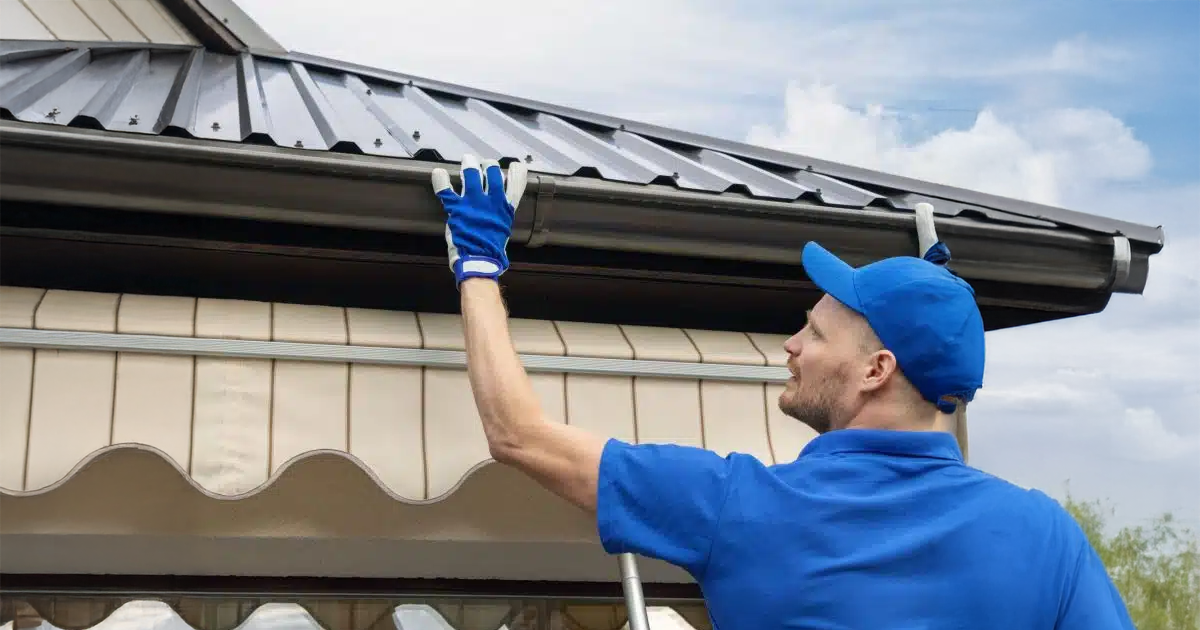
Most homeowners assume storm season ends once fall is over, but in Virginia this is not the case. December continues to bring heavy rainfall, strong coastal winds, and rapid temperature swings that can overwhelm older gutter systems. For homes in Richmond and Hampton Roads, this late-season weather often exposes weaknesses in aging gutters that may need gutter repair, gutter replacement, or a full upgrade to a modern gutter guard system.
Because many issues stay hidden until early spring, December is one of the best months to upgrade to seamless gutters or a K-Guard Gutter System before serious damage begins.
1. December Storms Still Bring Heavy Rain and Wind
December in Virginia can feel calm one day and stormy the next. Sudden rain and strong winds create fast water flow that older gutters struggle to handle. Systems that are already loose or clogged often overflow or pull away from the roof. If a gutter is holding water or debris, a December storm is usually what makes the problem noticeable.
2. Winter Debris Stays Wet and Adds Extra Weight
Leaves and pine needles that fall in late November stay wet for long periods once the temperature drops. This wet debris becomes heavy and puts pressure on open gutters. When gutters stay overloaded for weeks, they start to sag, bend, or damage the fascia board behind them. Many homeowners discover in spring that winter debris was the main cause of the damage. A covered gutter guard system like K-Guard prevents this buildup and reduces the chances of needing a full gutter replacement.
3. Temperature Swings Cause Cracks and Loose Joints
Richmond and Hampton Roads often experience warm days followed by freezing nights in December. These shifts cause gutter materials to expand and contract. Over time, seams loosen, small cracks grow, and water begins to leak into areas it shouldn’t. Most of this damage is hidden until spring rains arrive. Seamless gutters help prevent this issue by removing weak connection points that usually fail in winter.
4. Winter Moisture Creates Slow, Steady Damage
Even without snow, winter moisture can cause problems. When water sits inside clogged or sagging gutters, it slowly affects the home’s structure. This may lead to soft fascia boards, mold around the roofline, or water slipping under shingles. Homeowners usually notice the results later, even though the damage began in winter. Upgrading in December helps keep water moving away from the home, reducing long-term repair costs.
5. Holiday Decorations Help Reveal Gutter Issues
December is one of the few times homeowners closely look at their gutters while hanging lights or cleaning up outside. This is usually when they notice sagging areas, loose brackets, or overflow during a rain shower. If these signs appear, it is better to plan a gutter upgrade now rather than wait for spring when the damage becomes worse.
Why December Is a Great Time for Gutter Upgrades
Upgrading your gutters in December helps you:
- Prepare for winter rains
- Reduce the need for spring gutter repair
- Prevent water-related damage to siding and fascia
- Avoid debris buildup through the cold months
- Replace older systems before they fail
- Protect your home with a long-lasting gutter guard system
December may not seem like a storm month, but gutters face some of their hardest conditions during this time.
A Smart Step Before Spring Reveals the Damage
Winter problems often stay hidden until spring, when repairs are more urgent and more expensive. December is a perfect time to make sure your gutter system can handle the months ahead. Start by getting an instant quote or contact Carefree Gutter Guard, and our team will help you choose the right solution for your home.